



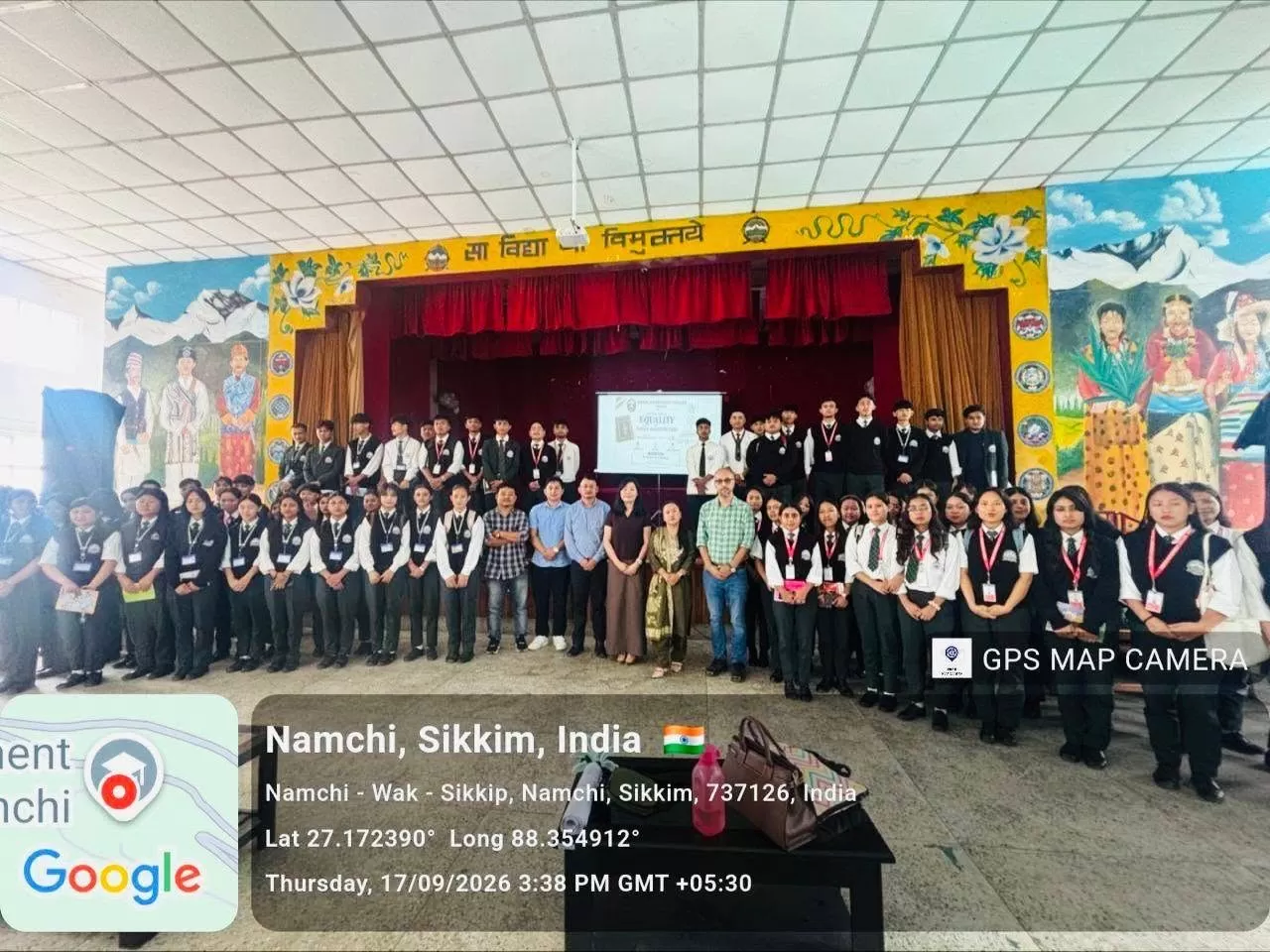
17 September 2026 at 1:00 p.m. in the College Auditorium. The programme was organized with the objective of creating awareness among students about the constitutional principle of equality and its importance in ensuring justice, dignity,
equal opportunity and non-discrimination in Indian society.
The programme was attended by the students of first and fifth Semester History and Economics, along withthe members of the organizing committee.
The One-Day Talk was organized with the following objectives:
1. To familiarize students with the concept of equality as enshrined in the Indian Constitution.
2. To develop an understanding of the constitutional provisions relating to equality and equal
opportunity.
3. To create awareness about the importance of non-discrimination and social justice.
4. To encourage students to uphold constitutional values in their personal, academic and social lives.
5. To strengthen awareness about the role of citizens in promoting an inclusive and equitable society.
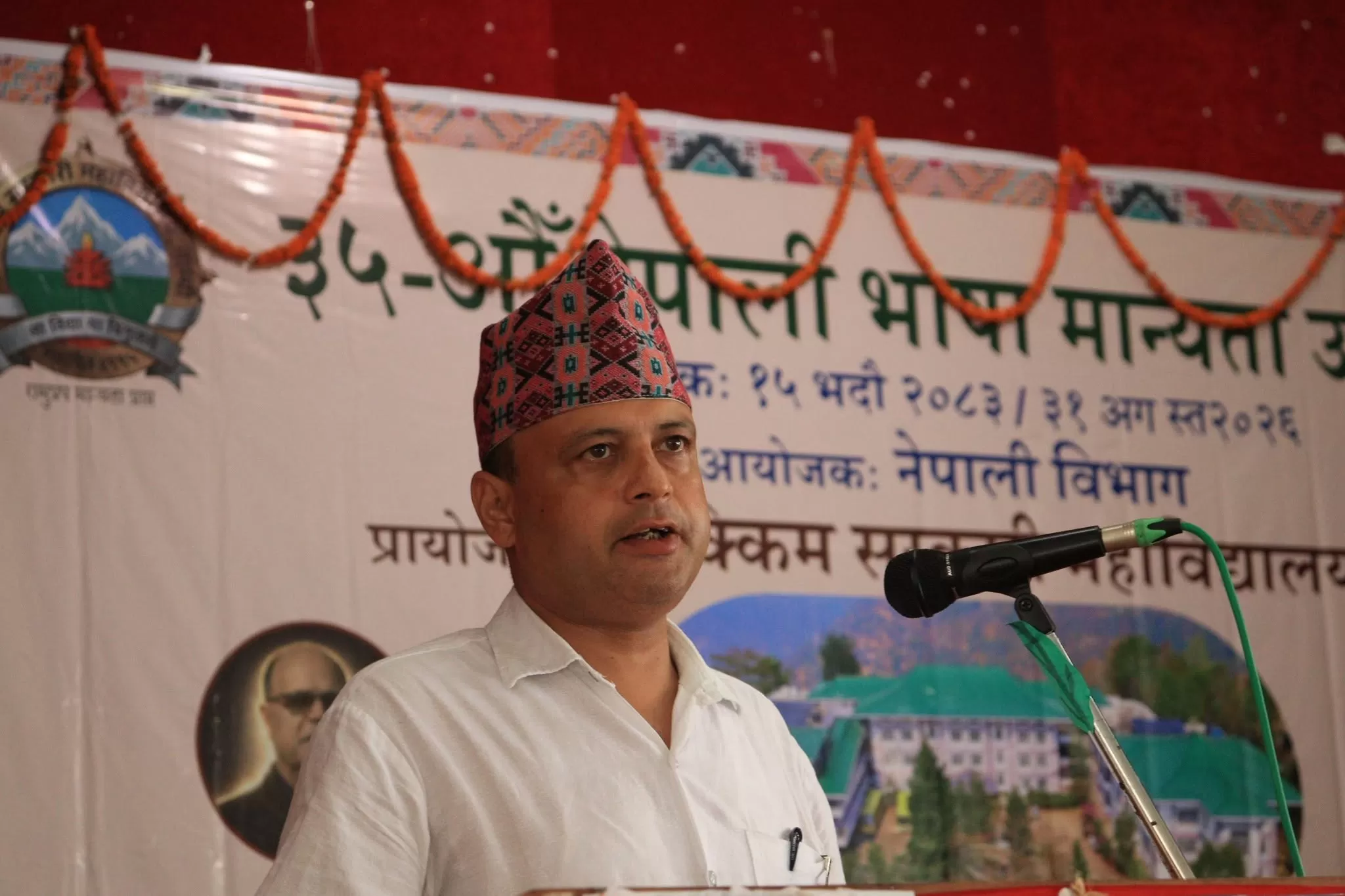
The programme commenced at 1:00 p.m. in the College Auditorium. Ms. Shanti Tamang, who served as the host of the programme, welcomed the resource person, faculty members and students and introduced the theme and purpose of the session.
The session was convened by Ms. Uden Lhamu Bhutia, Convenor of the Equal Opportunity Cell. Under her coordination, the programme was conducted smoothly and provided an appropriate platform for students to
engage with an important constitutional theme.
The resource person, Mr. Rosden Tshering Bhutia, Assistant Professor, Department of Political Science, SGC, Namchi delivered an informative and comprehensive talk on “Equality in the Indian Constitution.” His presentation focused on the constitutional understanding of equality and its significance in the functioning of a democratic society.
During the talk, the students were introduced to the importance of equality as a fundamental constitutional value. The discussion highlighted the constitutional commitment to equality before the law and equal protection of the laws, as well as the broader principle of equal opportunity. The resource person also explained the significance of constitutional safeguards against discrimination and the role of the Constitution in promoting social justice and inclusion. The session further helped students understand that equality does
not merely imply treating everyone in an identical manner; rather, it also involves addressing social and historical disadvantages and ensuring that individuals have meaningful opportunities to participate in society.
The discussion enabled the students to relate constitutional principles to contemporary social realities and understand the importance of respecting the dignity and rights of every individual. The talk also emphasized the responsibility of young citizens in upholding constitutional values. Students were encouraged to develop an attitude of mutual respect, tolerance, fairness and inclusiveness and to avoid practices that may lead to discrimination or exclusion.
An interactive component formed an important part of the programme. Students actively listened to the presentation and engaged with the subject through questions and discussion. The interaction provided an opportunity for students to clarify their understanding of equality and its practical implications. The session encouraged students to examine the relationship between constitutional principles and everyday social life.
At the conclusion of the programme, Ms. Shanti Tamang proposed the vote of thanks. She expressed gratitude to Mr. Rosden Tshering Bhutia for sharing his knowledge and insights on the subject and thanked the college administration, IQAC, Equal Opportunity Cell, faculty members and students for their valuable support and participation.
The One-Day Talk proved to be an informative and meaningful academic activity. It enhanced students’ awareness of the constitutional principle of equality and encouraged them to reflect upon the importance of equal opportunity, non-discrimination and social justice. The interaction with the resource person further
enriched the students’ understanding of the subject and encouraged them to become more conscious of their rights, responsibilities and role as responsible citizens.